
Double crochet 2 together (dc2tog) is a decrease stitch used with other double crochet (dc) stitches. Red heart design team june 4, 2023. Dc5tog is a type of dc variation known as bobble stitch; Web to perform a double crochet decrease (abbrev. Web you decrease stitches in double crochet in the same places that you increase stitches — at the ends of the row or somewhere in the middle.
Double crochet is a very common crochet stitch. The concepts are similar to the common decrease, but the hook placement is different. Your pattern may also say dc dec. Web in this video tutorial we will show you how to do a double crochet decrease. Dc dec or dc2tog), combine two stitches into one stitch.
The concepts are similar to the common decrease, but the hook placement is different. Web below, you will find a comprehensive video tutorial on how to make a decrease in single crochet, decrease in half double crochet (hdc2tog), decrease in double crochet, and decrease in treble crochet (tr2tog). Web how to do a double crochet decrease. Yarn over, insert your hook into the front loop of first stitch. Your pattern may also say dc dec.
Increasing and Decreasing in Crochet Free Crochet Tutorial Double

How to Crochet a Double Crochet Decrease Stitch LeftHanded Tutorial
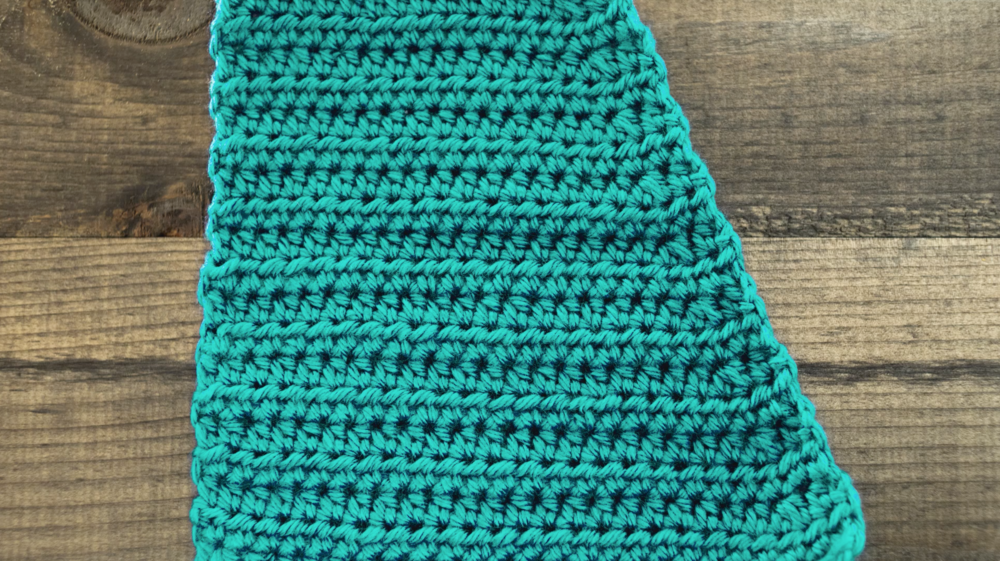
How to Double Crochet Decrease Beginners tutorial YouTube

How to Make a Double Crochet Decrease Stitch Complete Tutorial
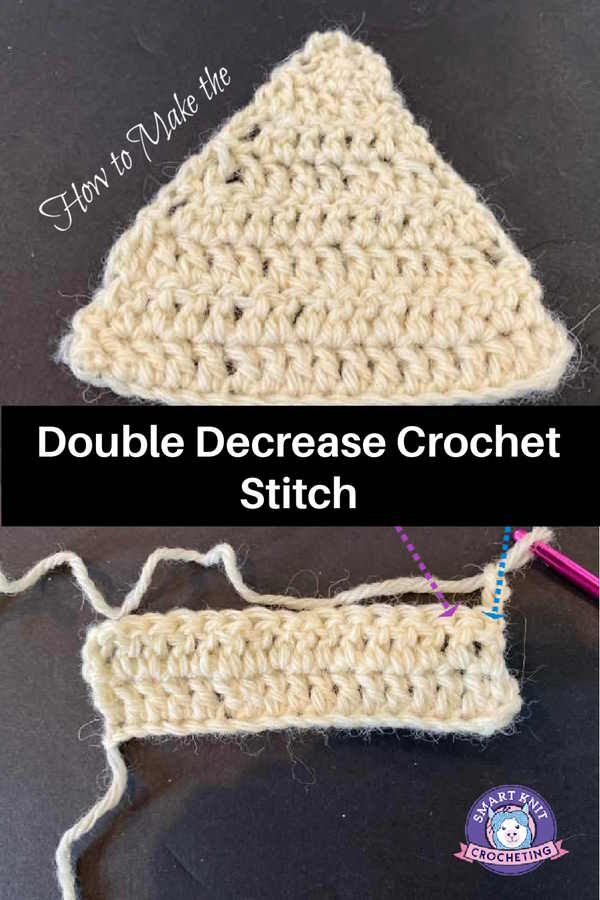
How to Make a Double Crochet Stitch
:max_bytes(150000):strip_icc()/IMG_7887-56e9e82c3df78cb4b97ba268.JPG)
Double Crochet Decrease Stitch (Dc2tog) Tutorial Stardust Gold Crochet
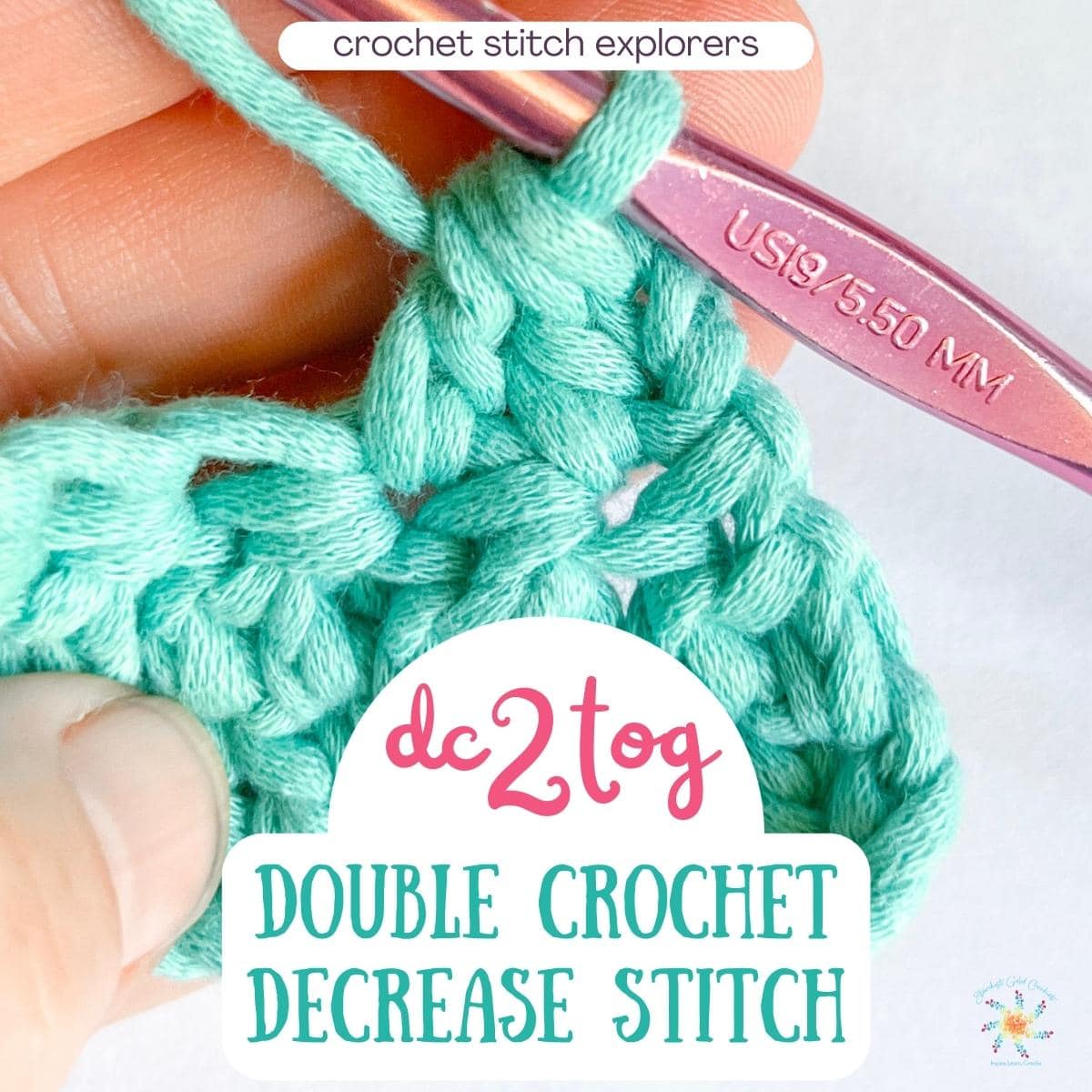
How to do a Double Crochet Decrease or DC2TOG The Loopy Lamb

Double Crochet Decrease Stitch (Dc2tog) Tutorial Stardust Gold Crochet
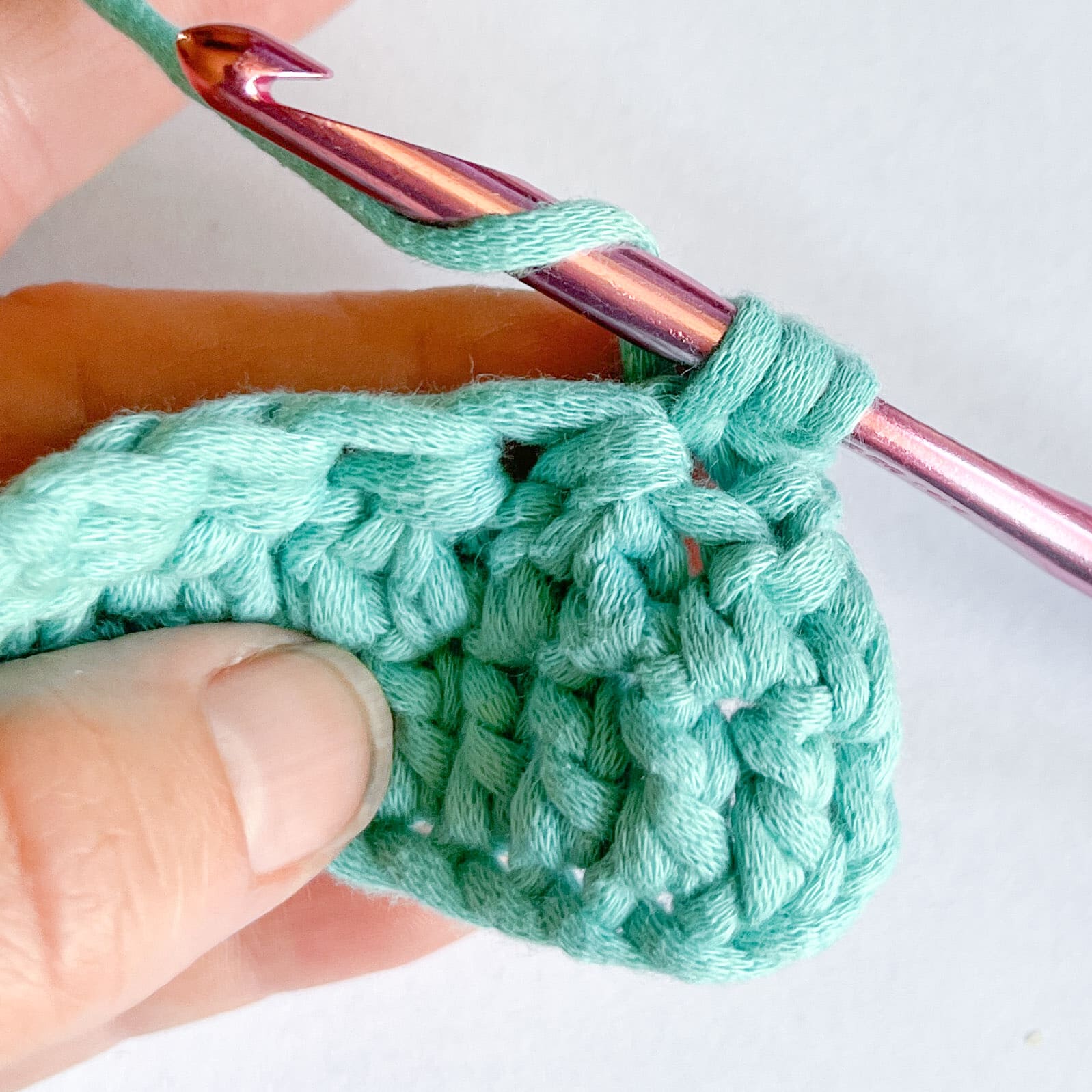
Invisible decrease in double crochet. Crochet tip YouTube

Learn to Crochet Alternate Double Crochet Decrease Crochet decrease

There are a few ways to decrease in double crochet. Double crochet is a very common crochet stitch. Hook yarn and draw through all three loops on the hook ( see illustration 5 ). However, you can do decrease on more than just 2 stitches at a time. Web below, you will find a comprehensive video tutorial on how to make a decrease in single crochet, decrease in half double crochet (hdc2tog), decrease in double crochet, and decrease in treble crochet (tr2tog). Yarn over again, insert the hook into the next stitch, and pull up a loop. Your pattern may also say dc dec. Keeping these two loops on hook, work another double crochet in the next stitch until three loops remain on hook; Double crochet is a very common crochet stitch. Yarn over, insert your hook into the front loop of first stitch. It is also possible to combine 3, 4, or 5 stitches into one if required. Web you decrease stitches in double crochet in the same places that you increase stitches — at the ends of the row or somewhere in the middle. Pull up a loop, so you have three loops on the hook. Web more accurately, one compound double crochet stitch is made in place of two double crochet stitches.that is, the elements of two double crochet stitches are combined to create one compound stitch.therefore, we are using compound crochet stitches to decrease in double crochet stitches. Web crochet a double crochet decrease.
Web To Decrease In Double Crochet, Work The First Double Crochet Until Only 2 Loops Are On The Hook.
Pull up a loop, so you have three loops on the hook. So you will need to learn how to decrease in half double crochet (hdc2tog), double crochet (dc2tog), treble crochet (tr2tog). This technique is useful in all projects where shaping is required. There are a few ways to decrease in double crochet.
If You Are Following A Pattern, The Pattern Notes Should Tell You Which Style Of Decrease To Use.
You’ve got five loops on the hook. In some cases you will find just that abbreviation on a double crochet row and it means to decrease 1 stitch, if nothing else. The concepts are similar to the common decrease, but the hook placement is different. Web the invisible double crochet decrease is the perfect technique to give your crochet projects a professional finish!
Yarn Over, Place Hook In Next Stitch, Yarn Over, Pull Through Stitch, Yarn Over, Pull Through 2 Loops (3 Loops On Hook).
Yarn over again, insert the hook into the next stitch, and pull up a loop. Yarn over and insert the hook into the work (fourth chain from hook on starting chain) Work a double crochet in the specified stitch until two loops remain on the hook (see illustration 4). Yarn over, pull yarn through all.
Double Crochet Is A Very Common Crochet Stitch.
Web how to do a double crochet decrease. Hook yarn and draw through all three loops on the hook ( see illustration 5 ). Web you decrease stitches in double crochet in the same places that you increase stitches — at the ends of the row or somewhere in the middle. This technique is essential for creating contours, such as in hats, sleeves, and amigurumi toys.