
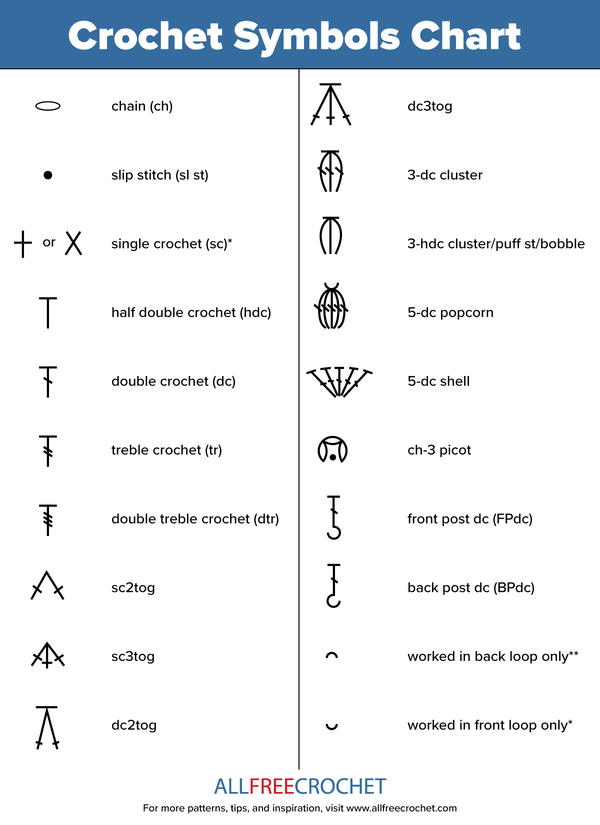
Each stitch is represented by a symbol that has been drawn to resemble its crocheted equivalent. This is the standard symbol for the single crochet stitch. Understand written instructions and diagrams by associating symbols with specific stitches, ensuring a seamless transition from pattern to crochet work. 53 tunisian crochet stitches with diagrams, instructions, video support and images. Learning to read a crochet diagram can make following a pattern much easier.
Here are a few reasons many beginners and experienced crocheters alike prefer charts: Refer to the key if you encounter. Web under the previous heading you learned that each crochet stitch is represented as a symbol in crochet charts. If you step back and look at the chart you kind of can see the heart shape already. Symbols, which you can see in a chart, represent particular stitches and techniques.
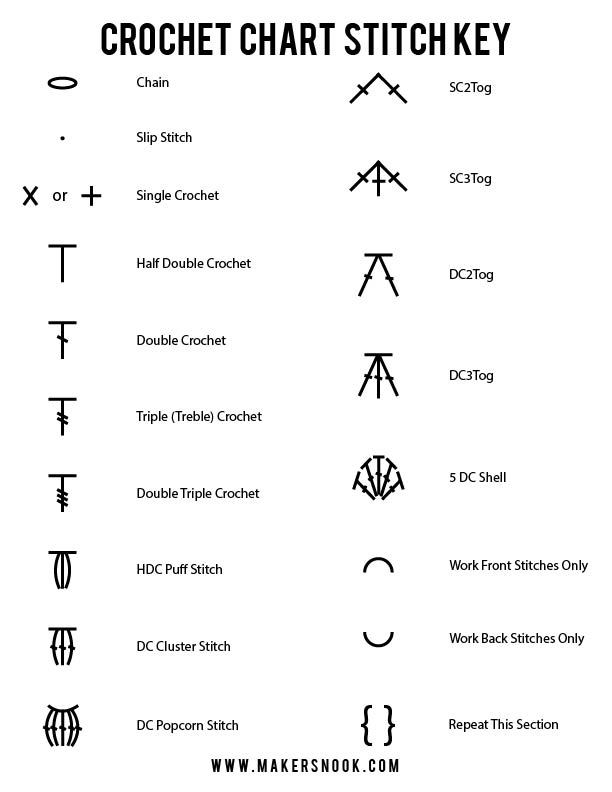
53 tunisian crochet stitches with diagrams, instructions, video support and images. This image also includes the visual design of the stitches as well as the written instructions. If the diagram you’re using doesn’t have a key, a chart like this one will help. As an example the single crochet stitch are often given either as a “+” or “x”. Always refer to the pattern key for additional
How to Read Crochet Charts Makers Nook
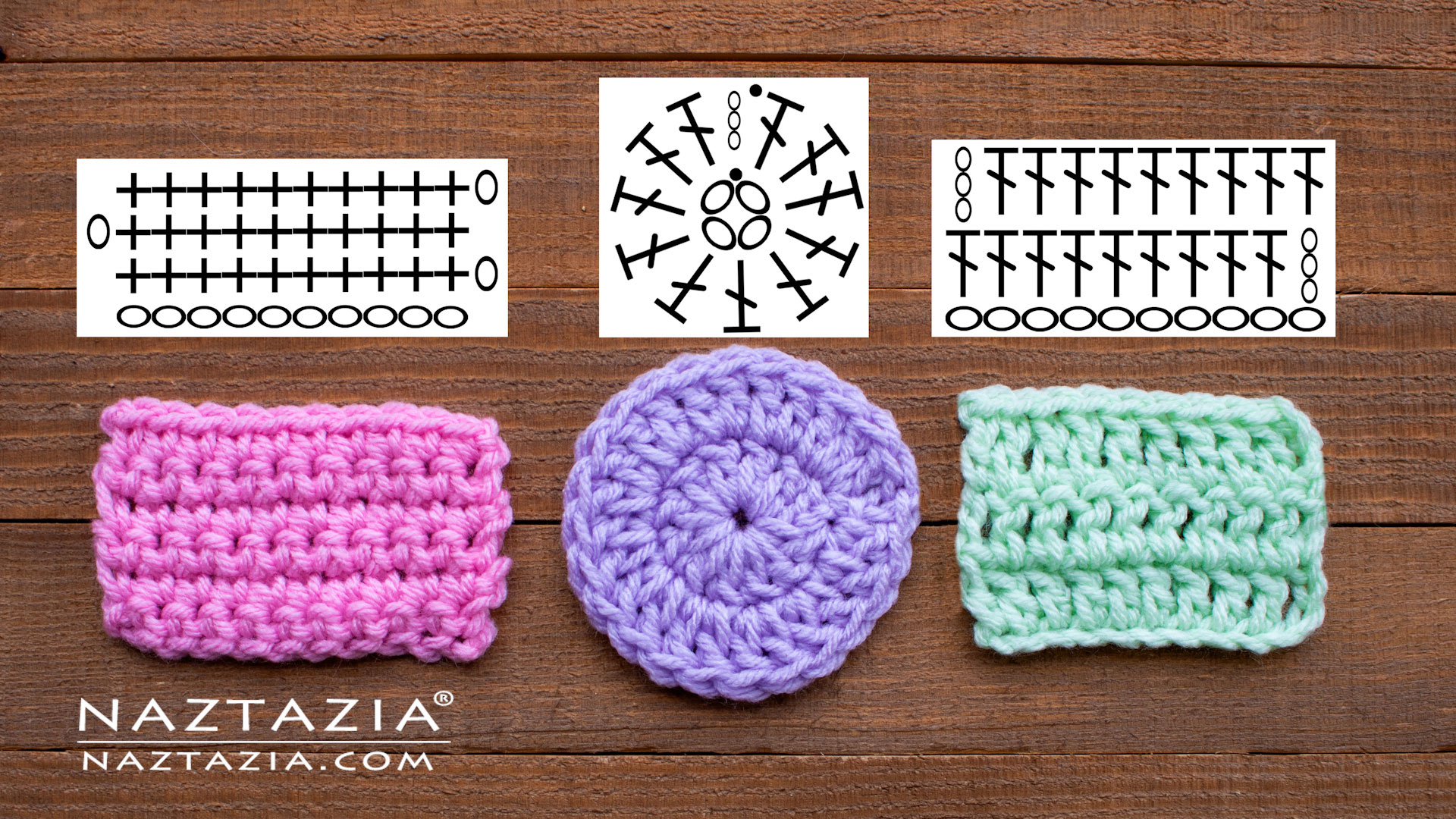
How to Read Crochet Chart Symbols Naztazia
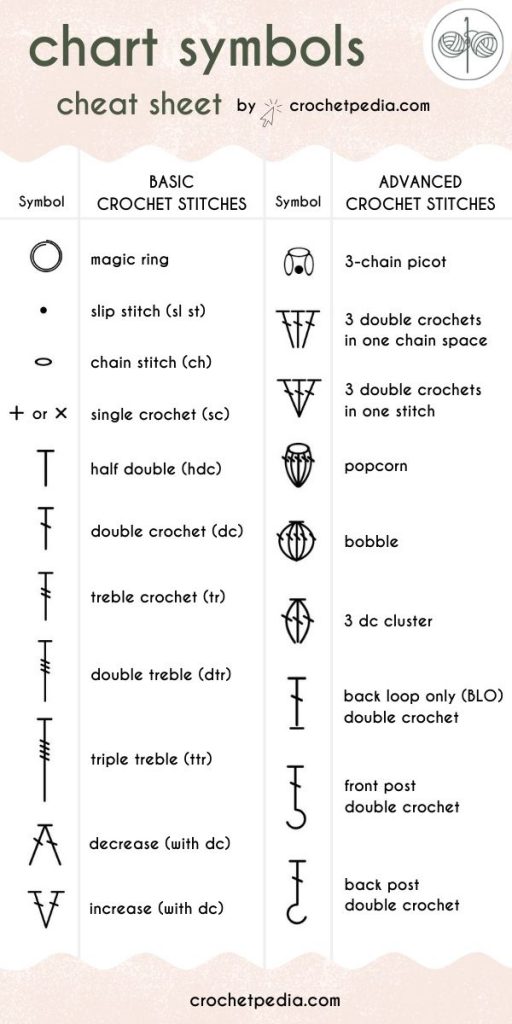
Crochet Chart Symbols
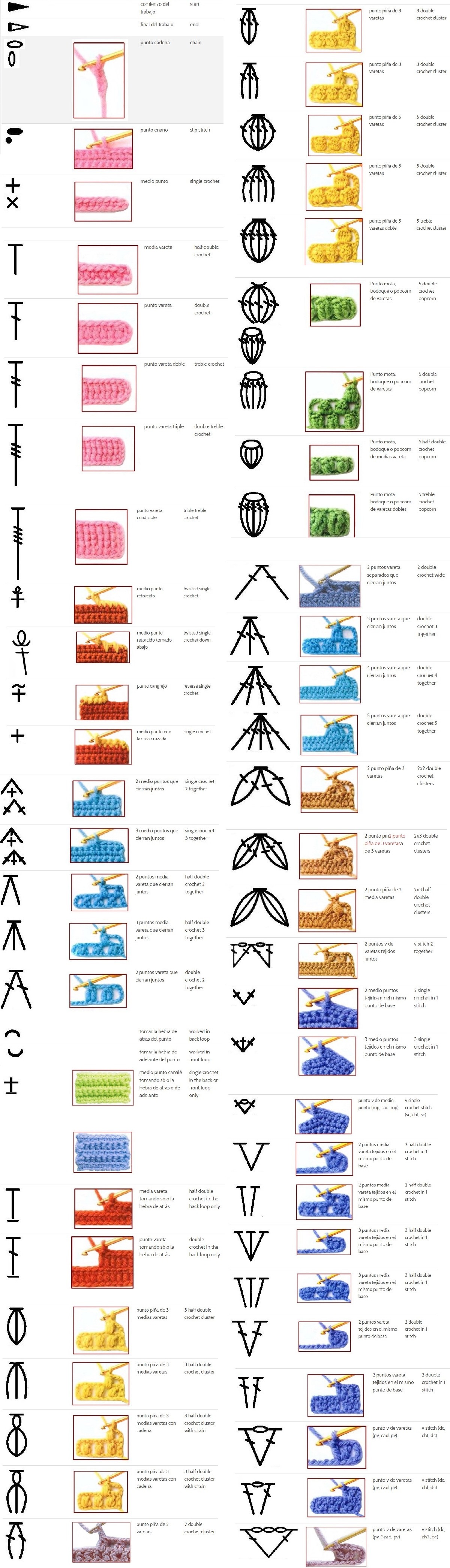
130 Crochet Symbols Your Guide To Crochet Pretty Ideas
Free Crochet Patterns By CatsRockinCrochet

Crochet Symbols. Needle Works and Hooks Crochet symbols, Crochet

Hi everyone! Can anyone please help me to understand this pattern? r
Full Guide to Crochet Symbols and Abbreviations Mycrochetpattern

International Crochet Symbol Chart Guide

Crochet symbols & directions chart Crochet symbols, Crochet stitches

Web similarly, the post of the double crochet symbols has a single line through it to represent the yarn over. Crochet diagrams are great for visual learners, as the symbols look like the stitches they represent. First of all, let’s be clear and say that… crochet chart symbols are the building blocks of diagrams. Symbols, which you can see in a chart, represent particular stitches and techniques. The treble crochet has two yarn overs, so the symbols have two slashes through the post. Learning to read a crochet diagram can make following a pattern much easier. The typical feature of a crochet chart symbol is. Lets dive into more details here: Find out everything you need to know in our complete guide on how to read crochet stitch charts! Web chart (or diagram) is a visual representation of a stitch or crochet motif. A typical crochet diagram looks like this: Chain (ch) chain (ch) slip stitch (sl st) slip stitch (sl st) If the diagram you’re using doesn’t have a key, a chart like this one will help. Web the benefits of visual patterns. Get the crochet symbols and directions chart here.
The Symbol For The Five Double Crochet Shell Is Shown Here In The Upper Right Corner Of The Stitch.
Practice on a crochet symbol chart pattern. Web unlike crochet patterns, which use words and abbreviations to explain the design, crochet diagrams involve symbols, letters, colors, and other illustrated elements to explain a pattern without words. What is a crochet diagram? Here are a few reasons many beginners and experienced crocheters alike prefer charts:
Web In This Case, After You Make Your Starting Chain, You Need To Make An Additional Two Chain Stitches, Then Turn The Work Over And Proceed With Row 1.
Please refer to your pattern key for any additional symbol directions. As an example the single crochet stitch are often given either as a “+” or “x”. There’s a key to help you figure out the symbols, but they are so intuitive that you may not need the key. The whole diagram is a visual.
If You Step Back And Look At The Chart You Kind Of Can See The Heart Shape Already.
This combination method also works with crochet abbreviations: If the diagram you’re using doesn’t have a key, a chart like this one will help. Web the standardized crochet symbols that have been adopted by members of the craft yarn council and are considered to be the clearest and easiest to render and to read. Chain (ch) chain (ch) slip stitch (sl st) slip stitch (sl st)
Patterns Almost Always Include A Key That Explains The Meaning Of Each Symbol Used In The Diagram.
This type of schematic can look intimidating but it's oftentimes less complicated than crochet patterns. Each stitch is represented by a symbol that has been drawn to resemble its crocheted equivalent. Understand written instructions and diagrams by associating symbols with specific stitches, ensuring a seamless transition from pattern to crochet work. Symbols used in diagrams are universal, so they should be roughly the same in all.