
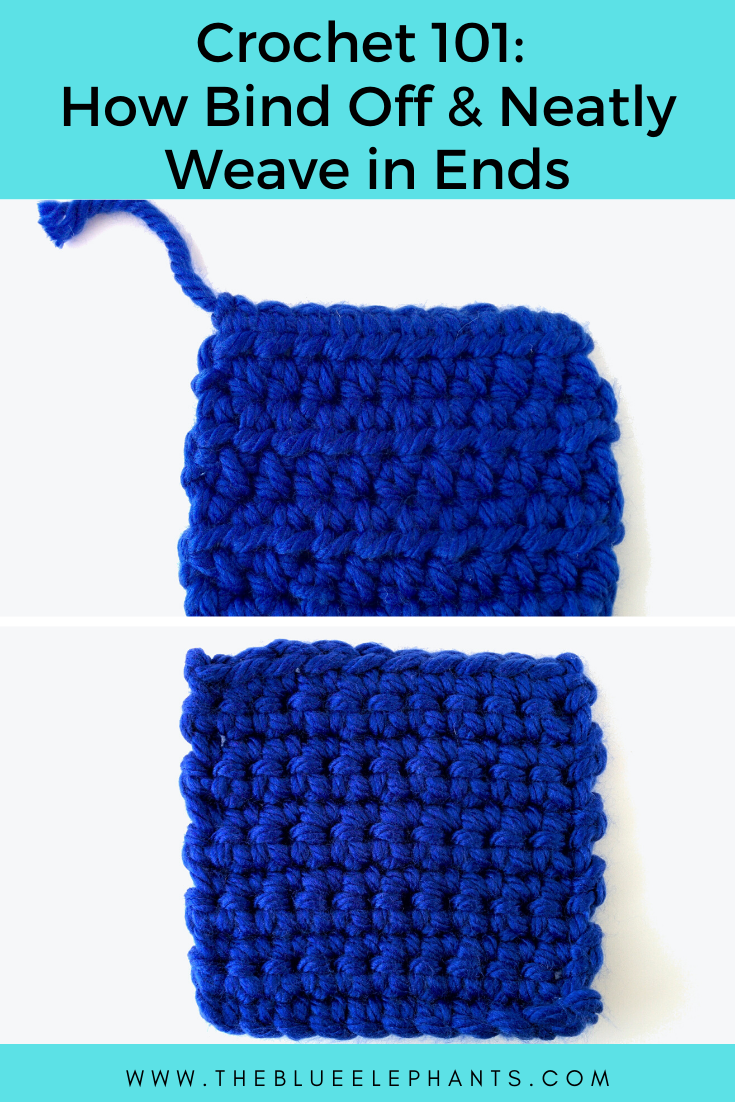
This technique uses a crochet hook of about th. All you need is a bl. Web when your crochet pattern asks you to bind off, here is what you should do. Web one of the basics of crochet is fastening off your working yarn and then weaving in your ends to secure the end of your crochet project. Web the single crochet bind off (or cast off) is a quick and simple way to finish a project with a crochet hook.
Web the single crochet bind off (or cast off) is a quick and simple way to finish a project with a crochet hook. There are also some helpful tips. *chain 2, skip 1 chain and slip stitch in the next chain; Before you weave in the ends you will first need to bind off or fasten off. Binding off your crochet project is simple.
Web that’s how you bind off a crocheted piece! There are two common ways to do this. Grab a link to this video. The term bind off refers to how you tie off your crocheting properly, creating a seamless transition at the end of your project. You should end up with one loop on your hook and the working end of your yarn sticking out across the last stitch.
How to do the crochet bindoff in knitting [+slomo video]
![How to do the crochet bindoff in knitting [+slomo video]](https://nimble-needles.com/wp-content/uploads/2022/06/the-crochet-bind-off-in-knitting.jpg)
How to Bind Off (Crocheting) (with Pictures) wikiHow
-Step-16-Version-3.jpg)
tutorial working a double crochet bindoff La Visch Designs
Crochet 101 How to Bind Off Crochet & Neatly Weave in Ends
How to do the crochet bindoff in knitting [+slomo video]
![How to do the crochet bindoff in knitting [+slomo video]](https://nimble-needles.com/wp-content/uploads/2022/05/how-to-knit-the-crochet-bind-off-768x1152.jpg)
Single Crochet Bind Off YouTube

tutorial working a double crochet bindoff La Visch Designs
How to do the crochet bindoff in knitting [+slomo video]
![How to do the crochet bindoff in knitting [+slomo video]](https://nimble-needles.com/wp-content/uploads/2022/05/someone-showing-how-to-bind-off-with-a-crochet-hook.jpg)
tutorial working a double crochet bindoff La Visch Designs
Tunisian crochet tutorial Binding Off Tunisian crochet, Crochet

Repeat from * until all stitches are bound off. The term bind off refers to how you tie off your crocheting properly, creating a seamless transition at the end of your project. Resume binding off plain until your next desired picot placement. Web finishing a crochet project. The fabric created can be lightweight or thick, depending on the stitch, size of the crochet hook and the weight of yarn. To do that, just use your crochet hook or a tapestry needle to bring the tail yarn in and out through the spaces in the piece. We also have a great instructional video on how to weave in ends crochet. There are two common ways to do this. Before you weave in the ends you will first need to bind off or fasten off. Web just like the foundation row, the tunisian crochet bind off is an important aspect of any project you create. The tunisian crochet bind off method that you see most often used is. You should end up with one loop on your hook and the working end of your yarn sticking out across the last stitch. Not only do i find it faster, but i feel that it helps me maintain proper tension so my bind off isn’t too loose or too tight. Web the single crochet bind off (or cast off) is a quick and simple way to finish a project with a crochet hook. Binding off your crochet project is simple.
Grab A Link To This Video.
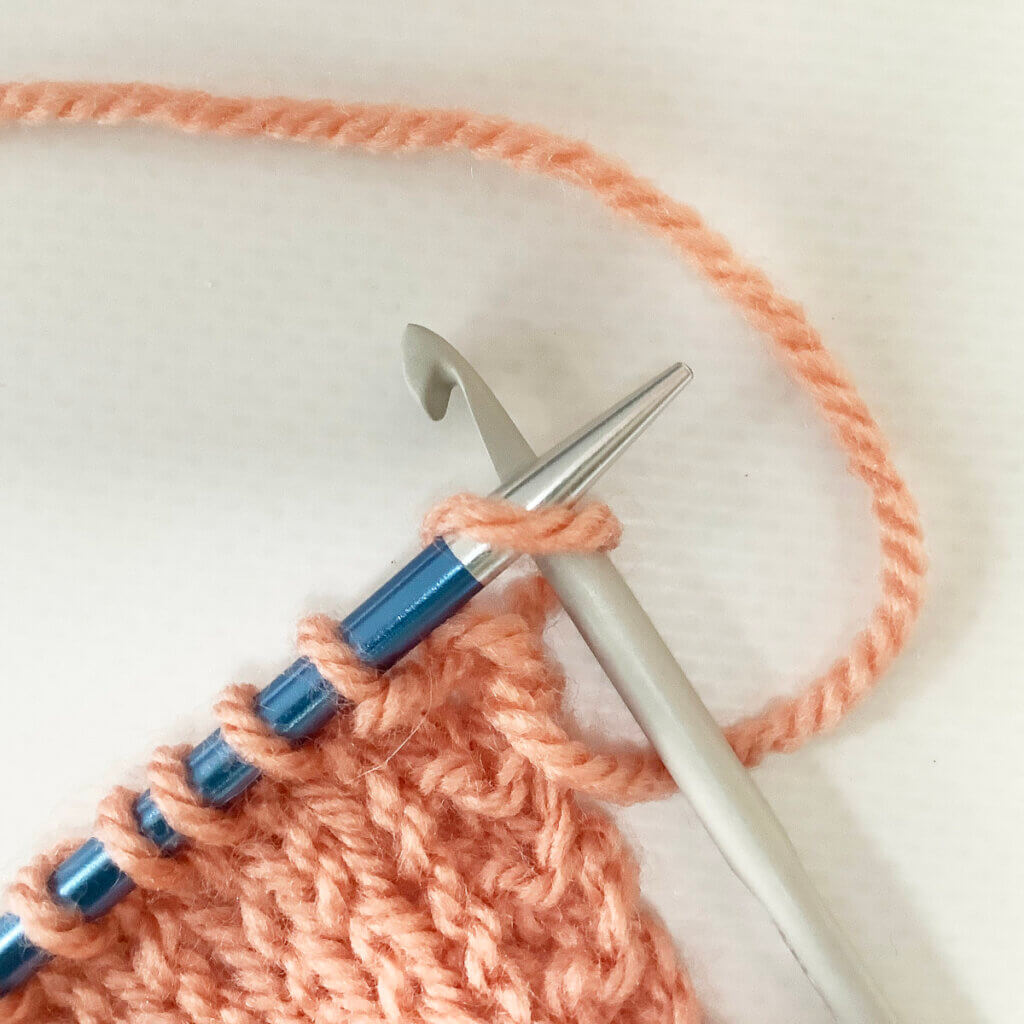
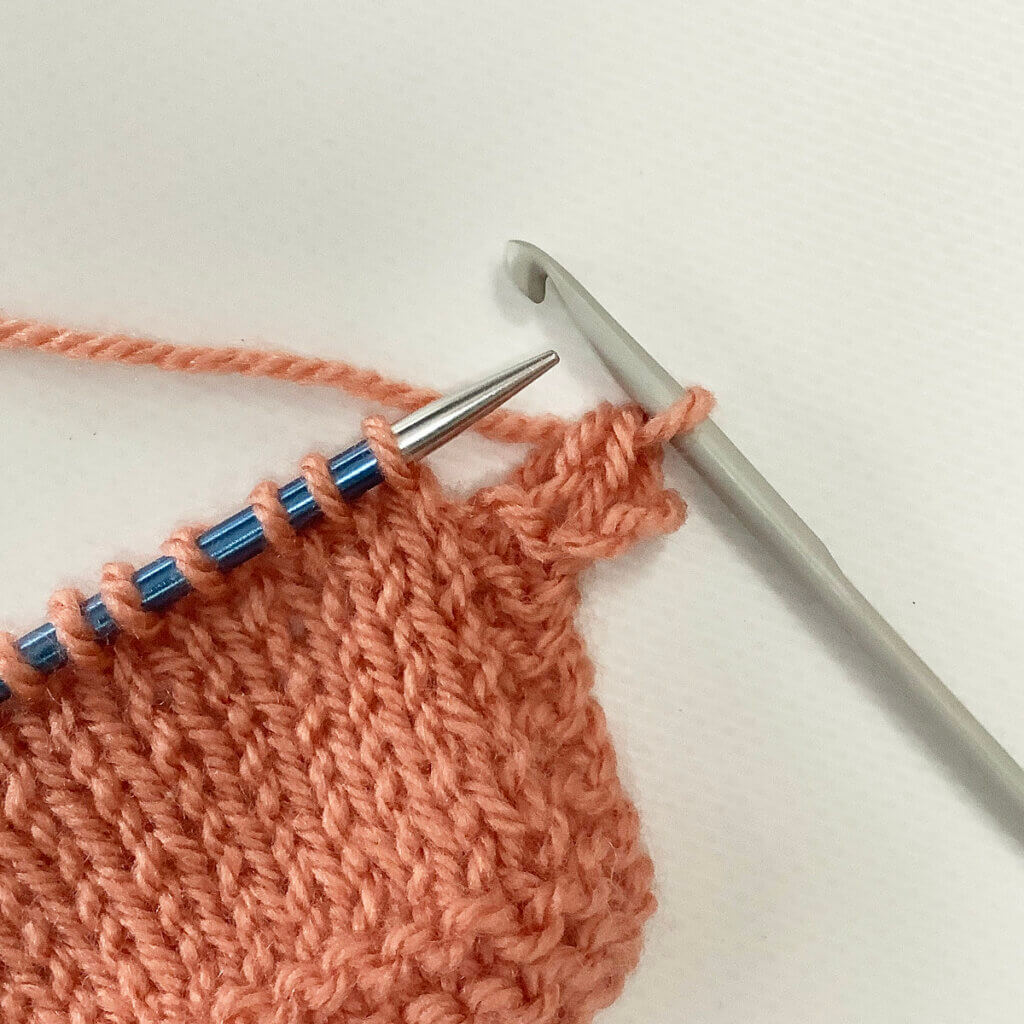
For creating this type of looped decorative edge, i like to use a crochet hook that is smaller than the knitting needle size. Finish the stitches on your last row. Think of it as tying up loose ends both literally and figuratively. *chain 2, skip 1 chain and slip stitch in the next chain;
Web Fastening Off, Also Known As Binding Off Or Finishing, Is A Fundamental Technique In Crocheting That Secures The Last Stitch Of Your Work So That It Doesn’t Unravel.
In order to finish and bind off a tunisian crochet project, you simply slip stitch as a forward path row without doing a reverse path. Repeat from * until all stitches are bound off. The fabric created can be lightweight or thick, depending on the stitch, size of the crochet hook and the weight of yarn. This tutorial will show you three different ways to bind off your tunisian crochet stitches.
Resume Binding Off Plain Until Your Next Desired Picot Placement.
Lacey, delicate fabric to thick, cozy fabric,. You should end up with one loop on your hook and the working end of your yarn sticking out across the last stitch. Web just like the foundation row, the tunisian crochet bind off is an important aspect of any project you create. Web if you're more comfortable with a crochet hook than knitting needles, try this version of a three needle bind off!
So, We’ve All Been There—Standing At The Crossroads Of A Crochet Project, Pondering How To Finish It Off With Flair.
We also have a great instructional video on how to weave in ends crochet. Not only do i find it faster, but i feel that it helps me maintain proper tension so my bind off isn’t too loose or too tight. Insert hook into the vertical bar of the next stitch. Slip stitch as forward path.